Difference Between Dwarflabs Dwarf Iii and Panasonic Hc X1200 Explained
The market for video cameras covers a wide spectrum—from pocket-sized cinema tools to shoulder-mounted prosumer camcorders. Two cameras that represent different points on that spectrum are the Dwarflabs Dwarf Iii and the Panasonic Hc X1200. This article explains how they differ across practical dimensions that matter to buyers: form factor, image quality and sensor strategy, lens flexibility, stabilization, audio and connectivity, workflow and media, battery and ergonomics, and where each camera fits best in real-world use.
Introduction: Two Different Approaches to Video
On paper, cameras can be compared by megapixels, codec lists, and weight. In practice, buyers care about how a camera performs on a shoot. The Dwarflabs Dwarf Iii is positioned as a compact, creative-focused tool that emphasizes modularity and image character. The Panasonic Hc X1200 is targeted toward run‑and‑gun shooters and small production teams that value integrated professional features and reliable end-to-end workflows.
Understanding their differences helps prospective buyers choose the right tool for their workflow—whether that workflow is indie filmmaking, event coverage, documentary, corporate video, or content creation for social platforms.
Detailed Product Analysis
Form Factor and Ergonomics
The Dwarflabs Dwarf Iii favors a compact, modular approach. It is designed to be lightweight and unobtrusive, making it easy to rig on gimbals, drones, or small shoulder rigs. This size benefits documentary filmmakers, travel shooters, and indie creators who need low-profile setups that can be configured with a variety of accessories such as external recorders, EVFs, and cage systems.
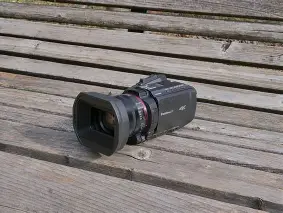
The Panasonic Hc X1200 adopts a more traditional camcorder ergonomics model: integrated handgrip, built-in ND filter, and a body layout optimized for long-handled, shoulder or handheld operation. That built-in ergonomics suite makes it faster to operate out of the box for event shooters, journalists, and wedding videographers who often switch between handheld and tripod work without re-rigging.
Image Capture Philosophy
Dwarflabs tends to prioritize cinematic image character and the flexibility offered by interchangeable-lens systems (if the Dwarf Iii follows that company’s usual design language). A camera like this usually encourages lens selection to shape depth of field and bokeh, and often supports clean HDMI or RAW output for color grading. It is suited for creators who plan to invest time in post-production and who value creative control over a polished in-camera look.
The Panasonic Hc X1200 emphasizes reliable, repeatable images compatible with broadcast-style workflows. Panasonic’s camcorders typically offer a comprehensive suite of picture profiles, waveform and zebras for exposure control, and stable in-camera processing intended to deliver usable footage quickly. This appeals to users who must deliver completed video with minimal grading or who work in fast-turnaround environments.
Lens Systems and Flexibility
A major difference for many buyers is lens flexibility. The Dwarflabs Dwarf Iii, positioned as a compact/modular camera, commonly supports interchangeable lenses—either via native mounts or adapters—allowing a broad range of focal lengths and optical characters. This flexibility supports creative shooting styles and future upgrades through new glass.
The Panasonic Hc X1200 typically features an integrated zoom lens tuned for a broad focal-length range. Its convenience is clear: there is no need to change lenses, and users get a predictable zoom range with optical stabilization and consistent color tuning. The trade-off is less creative lens choice and the limitations inherent in a fixed optical design for selective depth-of-field effects.
Stabilization and Mobility
Stabilization is another practical distinction. The Dwarflabs Dwarf Iii’s compact body is easy to pair with third‑party stabilization solutions—gimbals, rails, and compact tripods—allowing filmmakers to choose the stabilization level they need. Some compact camera designs also incorporate in-body stabilization, but the real advantage is the camera’s compatibility with a wide ecosystem of stabilizers.
The Panasonic Hc X1200 is expected to provide strong in-camera stabilization and operational features designed to smooth handheld movement without external gear. This can save time and weight for solo operators at weddings, conferences, or run-and-gun news assignments where carrying a gimbal and balancing lenses is impractical.
Audio, Inputs, and Connectivity
Good audio is non-negotiable for many shooters. The Dwarflabs Dwarf Iii, as a compact creative camera, may provide 3.5mm jacks, digital audio options via HDMI, and possibly multi-channel audio over external recorders. Users who prioritize professional audio will often pair such cameras with external recorders or attach XLR adapters.
Shop the latest Cameras & Photography picks on Amazon.
See Deals →The Panasonic Hc X1200 typically targets prosumer and professional users with integrated XLR inputs (or via an optional handle unit), headphone and line outputs, and dedicated audio level controls. Those features make it easier to capture broadcast-ready sound without additional boxes, a key advantage for ENG, corporate events, and documentary interviews where reliability matters.
Recording Formats and Workflow
Workflow differences tie directly to delivery needs. The Dwarflabs Dwarf Iii is likely to favor formats that enable color grading: high-bitrate codecs, log profiles, and possibly RAW or ProRes output (via external recorders). That supports cinematic grading but increases storage and post production time.
The Panasonic Hc X1200 generally supports efficient codecs and file structures tuned for quick ingest: MP4, AVCHD, or broadcast-friendly MOV/AVC‑Intra profiles depending on the model’s positioning. On-board clip management, timecode, and reliable metadata handling streamline multi-camera shoots and rapid delivery.
Battery Life and Media
Compact cameras often trade battery life for size. The Dwarflabs Dwarf Iii will be attractive for short takes, traveling shoots, or multi-battery workflows. Its smaller batteries can be swapped quickly, and external power solutions (e.g., USB-C PD, V-mount batteries) can extend runtime for longer shoots.
Looking for the best Cameras & Photography deals on Amazon?
See Deals →1. What is the primary type of work?
If the work is documentary, indie film, or creative commercial pieces where image character and lens choice are priorities, the Dwarf Iii is typically the better match. If the work is event coverage, news, corporate, or any setting where speed, audio reliability, and long-run operation are essential, the Hc X1200 is generally preferable.
2. How important is lens flexibility?
Interchangeable lenses open creative possibilities: selective focus, specialty glass, and different focal characters. Choose the Dwarf Iii if lens choice matters. Choose the Hc X1200 for convenience and a dependable zoom range without lens changes.
3. What are the audio requirements?
If native XLR inputs, built-in level control, and monitoring are required, the Hc X1200 is more turnkey. If high-end audio is managed externally (dedicated recorders, lav mics), the Dwarf Iii works well but be prepared to carry extra gear.
4. What is the post-production workflow?
For teams that grade footage heavily and work with RAW or log material, the Dwarf Iii’s likely output options are appealing. Teams needing rapid turnaround with minimal grading benefit from the Hc X1200’s broadcast-ready in-camera processing and convenient file formats.
5. Ergonomics and shooting duration
Consider how long a typical shoot runs. For multi-hour events, the Hc X1200’s battery and handling are strong advantages. For short portability-driven shoots, the Dwarf Iii’s size and weight are compelling.
6. Budget and accessory ecosystem
Factor in the total system cost. A compact camera can look inexpensive until lenses, mics, gimbals, and recorders are added. Panasonic’s integrated design can reduce accessory spending but might commit the buyer to a single optical style. Consider the ecosystem: if the buyer already owns lenses for a certain mount, a camera compatible with those lenses may be the best value.
Maintenance and Long-Term Considerations
Think beyond the purchase price. Serviceability, firmware updates, and accessory availability influence long-term satisfaction. Panasonic has a long history of servicing prosumer/professional camera lines and a mature accessory market. Smaller or niche manufacturers can produce excellent tools but may have a smaller support network. Buyers who travel a lot or work on high-stakes jobs should weigh the benefits of widespread dealer networks and service centers.
Conclusion
The Dwarflabs Dwarf Iii and Panasonic Hc X1200 fulfill different needs. The Dwarf Iii is a compact, creative-focused option that rewards users who prioritize image character, lens flexibility, and a modular kit. The Panasonic Hc X1200 is built for dependable, run-and-gun production with integrated ergonomics, professional audio options, and predictable workflows.
Choosing between them depends on practical priorities: the importance of portability versus integrated functionality, the need for interchangeable lenses versus an all-in-one zoom, and whether the workflow favors heavy grading or fast delivery. Both types of cameras can produce excellent work when matched to the right user and the right job—understanding those trade-offs is the key to making an informed purchase decision.